7 Sterilization Myths That Cause Real Problems in Dental and Medical Practices

Many sterilization problems come from bad assumptions, not bad intentions. This post breaks down seven common myths that can lead to packaging errors, maintenance issues, poor workflow decisions, and infection control risk.
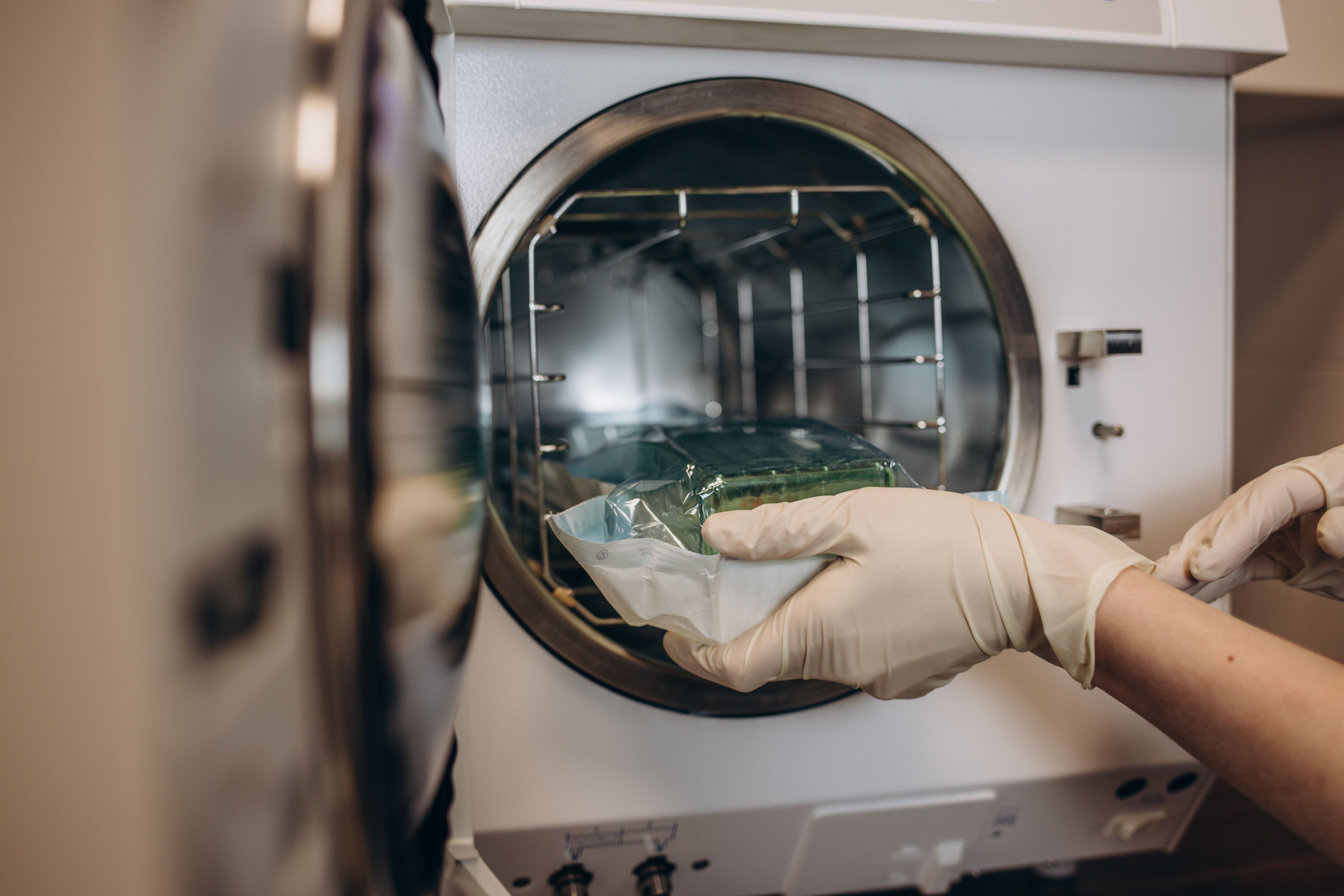
7 Sterilization Myths That Cause Real Problems in Dental and Medical Practices
Sterilization mistakes do not always come from carelessness. Often they come from assumptions that sound reasonable but are simply not true. That is why myth-busting content works so well in this category. It is educational, practical, and highly relevant to buyers who are comparing systems or trying to improve internal processes.
Here are seven sterilization myths that create real problems in practice.
Myth 1: “If the Pack Looks Sealed, It Is Fine”
A sealed pouch is not automatically a correctly processed pouch. CDC guidance stresses that instruments should be dry before packaging and that packaging materials must allow sterilant penetration and maintain sterility after processing. If the wrong material is used, or if the pack was loaded incorrectly, the seal alone does not guarantee success.
Myth 2: “Ultrasonic Cleaning Replaces Sterilization”
It does not. Ultrasonic cleaners are part of the cleaning phase, not the sterilization phase. CDC notes that automated cleaning equipment such as ultrasonic cleaners can improve cleaning efficiency and reduce handling risk, but they do not replace the actual sterilization step.
This matters because Sterolux sells both ultrasonic cleaners and steam sterilizers. The right message is not “one machine does everything.” It is “each machine supports a different stage of the workflow.”
Myth 3: “Unwrapped Sterilization Is Fine for Routine Convenience”
CDC explicitly says unwrapped sterilization, often called flash sterilization, is not a routine solution for convenience or for compensating for too few instruments. It should not be used as a shortcut just because turnaround is tight.
Myth 4: “Tap Water Is Good Enough for Any Steam Sterilizer”
Sterilizer manufacturers often specify distilled or purified water. That is not cosmetic guidance. It is part of proper operation. A current FDA device summary for a modern tabletop steam sterilizer instructs the operator to fill the reservoir with distilled or purified water.
Myth 5: “Packaging Is Just Prep Work”
Packaging is part of quality control. It is where teams confirm that instruments are clean, dry, complete, and correctly grouped before sterilization begins. Poor sealing or poor pouch selection can weaken the whole process even if the cycle itself is correct.
Myth 6: “If the Cycle Completed, Maintenance Can Wait”
Successful cycles do not prove long-term system health. Sterilizers still need routine care, log review, and manufacturer-guided maintenance to stay dependable. Steam sterilization is reliable, but only when the system remains in validated working condition.
Myth 7: “Suction Maintenance Is Unrelated to Infection Control”
That is not a safe assumption. CDC has documented the risk of backflow in low-volume saliva ejectors when patients create a seal around them, and it recommends consulting manufacturers regarding maintenance of anti-retraction mechanisms.
Final Takeaway
Most sterilization myths sound harmless until they become workflow failures.


Latest Insights & Resources
Stay informed with expert tips, industry news, and best practices for sterilization
Learn why water quality is critical to sterilizer performance, reliability, and maintenance. Discover how proper water support helps protect your investment over the long term.
Packaging mistakes can affect efficiency, consistency, and confidence throughout the sterilization process. Learn why packaging deserves more attention in modern reprocessing workflows.
Compare steam sterilization and dry heat sterilization from a workflow perspective. Learn why steam sterilizers remain the preferred choice for most modern healthcare practices.
Popular Articles
Take Infection Control to the Next Level
Join leading healthcare providers who trust Sterolux to deliver safer, faster, and smarter sterilization.