Steam Sterilizer vs Dry Heat: The Better Question Is Not Which Is Stronger, It Is Which Fits the Room Better

Choosing between steam and dry heat sterilization is about more than sterilization effectiveness. This article explains why workflow compatibility, room design, support equipment, and operational simplicity often make steam sterilization the preferred choice for modern clinics.
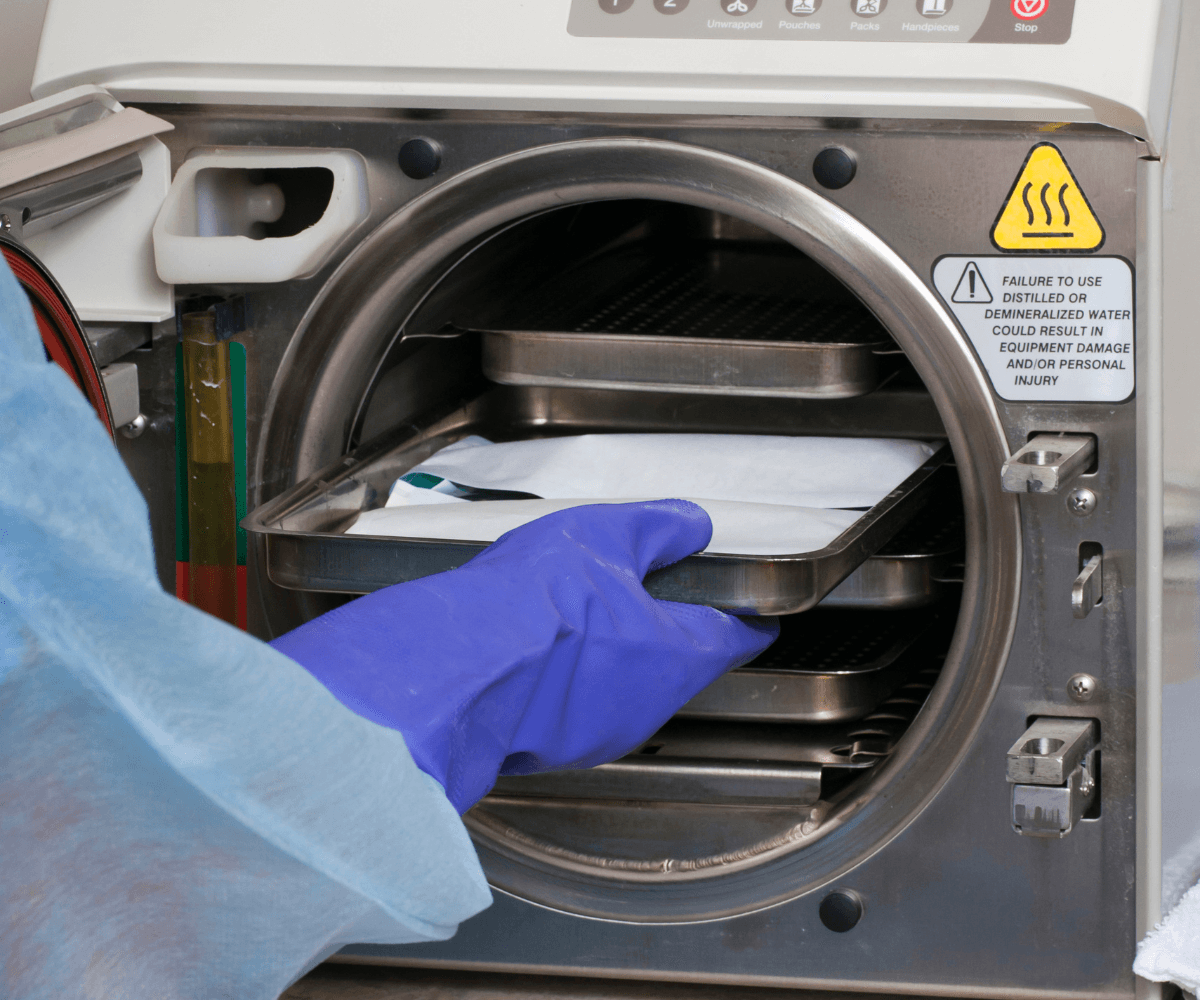
Steam Sterilizer vs Dry Heat: The Better Question Is Not Which Is Stronger, It Is Which Fits the Room Better
A lot of comparisons between steam sterilizers and dry heat units go in the wrong direction.
They get stuck in abstract method comparisons and forget the most important factor: the workflow.
In real practice, clinics do not buy sterilization methods in theory. They build rooms.
And the better question is not only which method works.
It is which method fits the kind of room the team needs to run every day.
The Strongest Method on Paper Is Not Always the Strongest Choice in Practice
This is where many comparisons become misleading.
They assume sterilization exists separately from the rest of the room.
But in real life, the sterilization method has to fit:
- the pace of instrument turnover
- the layout of the reprocessing space
- the support equipment around it
- the documentation demands of the practice
- the staff's need for repeatability
That is why workflow fit matters more than abstract comparison language.
Why Steam Usually Wins in Modern Clinical Environments
For most clinics, steam sterilization makes more practical sense because it is easier to build a complete, dependable system around it.
It works well inside a room where cleaning, packaging, water support, and sterilization need to move as one continuous process.
That is especially important in busy environments where consistency matters as much as efficacy.
A room that feels stable, readable, and easy to manage usually performs better than a room built around a method that sounds compelling but fits less naturally into daily operations.
Integration Is the Real Advantage
Steam systems tend to integrate more naturally with surrounding workflow equipment, which makes system-building simpler:
- Steam Sterilizers
- Ultra-Sonic Cleaners
- Water Distillers
That integrated logic matters because the best sterilization rooms are not the ones with the most interesting theory.
They are the ones with the least friction.
Dry Heat Is Not Wrong, but It Is Not Always the Right Fit
There are environments where dry heat may still make sense.
But many clinics are better served by choosing the method that makes the room easier to run, easier to standardize, and easier to trust at scale.
Final Thoughts
The best sterilization method is not the one that sounds most advanced.
It is the one that supports the room you are actually trying to build.
For most modern clinical workflows, steam remains the more natural answer because it is easier to turn into a dependable system.


Latest Insights & Resources
Stay informed with expert tips, industry news, and best practices for sterilization
Learn why water quality is critical to sterilizer performance, reliability, and maintenance. Discover how proper water support helps protect your investment over the long term.
Packaging mistakes can affect efficiency, consistency, and confidence throughout the sterilization process. Learn why packaging deserves more attention in modern reprocessing workflows.
Compare steam sterilization and dry heat sterilization from a workflow perspective. Learn why steam sterilizers remain the preferred choice for most modern healthcare practices.
Popular Articles
Take Infection Control to the Next Level
Join leading healthcare providers who trust Sterolux to deliver safer, faster, and smarter sterilization.