Why the Busiest Part of Sterilization Is Usually Not the Sterilizer

Many clinics assume sterilization problems begin with the sterilizer, but workflow challenges often start much earlier. This article explains how cleaning, drying, packaging, and staging influence efficiency and why improving those stages can have a bigger impact than upgrading the sterilizer alone.
Why the Busiest Part of Sterilization Is Usually Not the Sterilizer
Why this matters more than most clinics realize
When people think about sterilization, they usually picture the chamber first. That makes sense. The sterilizer is the most visible machine in the room and the one most closely associated with infection control. But in real workflows, the most pressured part of sterilization is often not the sterilizer itself.
It is everything that happens before the chamber.
That distinction matters because many clinics try to solve the wrong problem. They assume a slow or stressful sterilization workflow means they need a bigger or faster sterilizer, when the real issue is often building much earlier in the process.
The chamber only sees the end of the story
Before instruments enter the sterilizer, they move through a sequence that includes receiving, cleaning, drying, inspection, grouping, packaging, sealing, labeling, and staging. If even one of those steps is inconsistent or under-supported, the entire room begins to feel strained.
A chamber may still be running properly, but the workflow around it may already be carrying too much friction.
This is why sterilizers often get blamed for problems they did not create. By the time delays become obvious, the issue has already worked its way through the earlier stages and become visible at the point of sterilization.
Where the real pressure usually builds
The busiest part of the room is often not the machine that runs the cycle. It is the transition zone that prepares instruments to get there properly.
That pressure shows up when:
- instruments are not cleaned quickly enough to keep up with volume
- drying slows packaging
- inspection becomes rushed
- packaging gets uneven under time pressure
- loads are staged without consistency
- staff start relying on workarounds instead of process
These are not always dramatic failures. More often, they are small forms of operational drag that slowly become normal.
Why support equipment matters more than people think
A strong sterilization workflow depends on more than a strong sterilizer. It depends on whether the surrounding equipment fits the pace of the room and supports the right sequence.
That includes:
- Steam Sterilizers
- Ultra-Sonic Cleaners
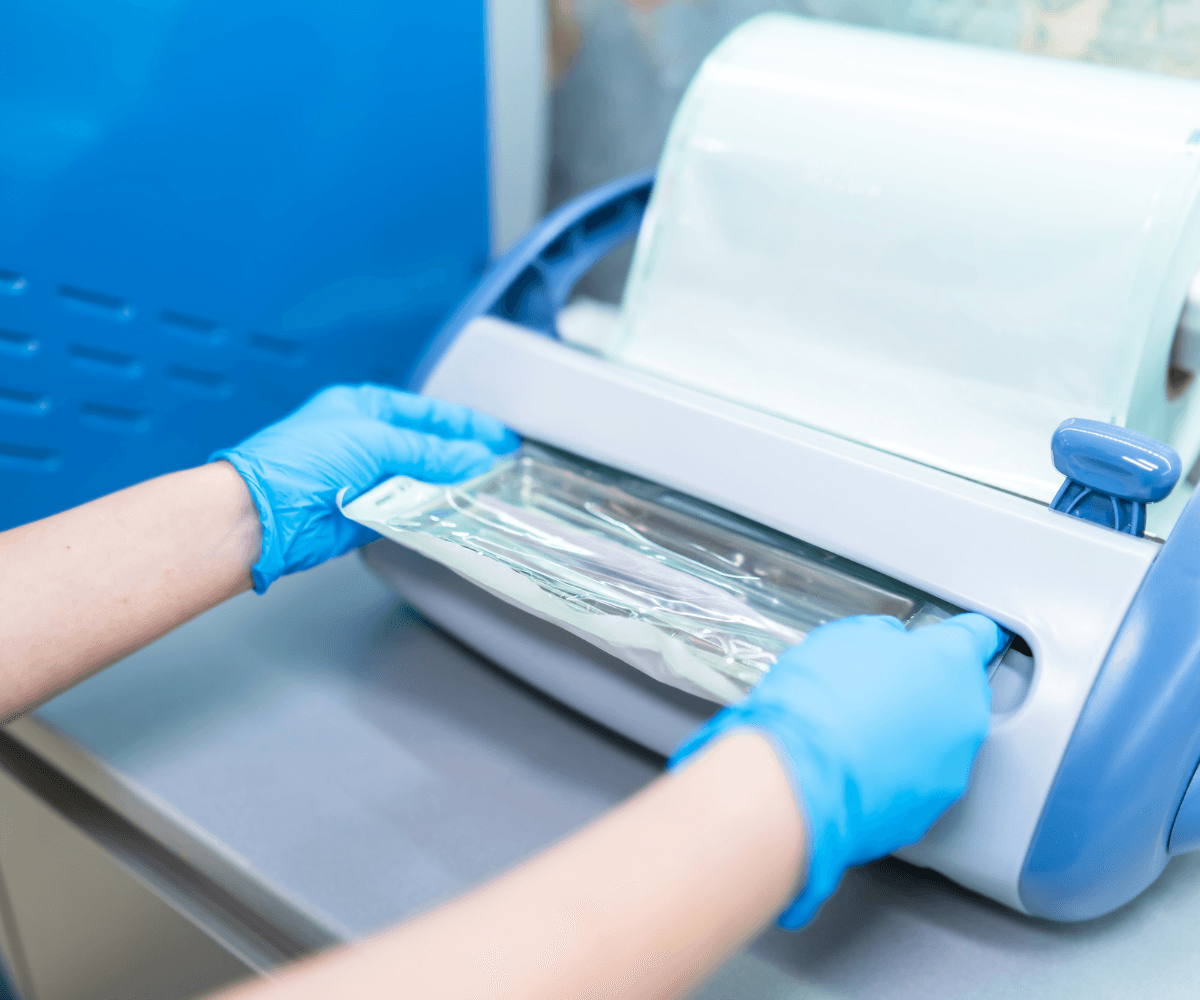
- Sealing Machines
When those stages are aligned, the room feels smoother. When they are not, the sterilizer ends up carrying pressure from problems that started earlier.
The difference between a busy room and a strained room
A busy room is not necessarily a problem. A strained room is.
A well-designed reprocessing space can be busy all day and still feel readable, controlled, and repeatable. A poorly aligned room can feel rushed even under moderate workload because the chain feeding the sterilizer is unstable.
That is a critical distinction. Productivity is not the problem. Poor support for productivity is.
Final Thoughts
If a sterilization workflow feels harder than it should, it is worth looking at everything before the chamber, not just the chamber itself. In many clinics, the busiest part of sterilization is the preparation stage, and that is exactly where the biggest improvements can often be made.


Latest Insights & Resources
Stay informed with expert tips, industry news, and best practices for sterilization
Learn why water quality is critical to sterilizer performance, reliability, and maintenance. Discover how proper water support helps protect your investment over the long term.
Packaging mistakes can affect efficiency, consistency, and confidence throughout the sterilization process. Learn why packaging deserves more attention in modern reprocessing workflows.
Compare steam sterilization and dry heat sterilization from a workflow perspective. Learn why steam sterilizers remain the preferred choice for most modern healthcare practices.
Popular Articles
Take Infection Control to the Next Level
Join leading healthcare providers who trust Sterolux to deliver safer, faster, and smarter sterilization.